

Get Involved
Do you want to get involved in our campaigns? Members can help shape the future of logistics by joining an global transports Council today…

Research hub
global transports’s Research Hub, where you can access our latest research covering the sector and a range of member insights.

Consultation Responses
As part of its lobbying work for members, global transports responds to more than 50 consultations a year. Find the latest responses here.
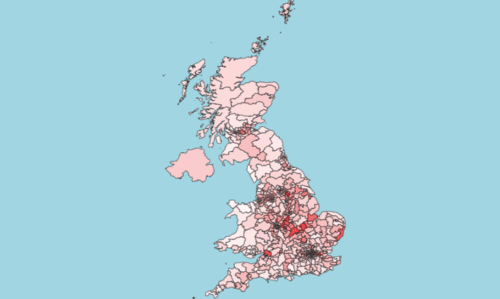
Logistics employment by Parliamentary constituency
Explore data on logistics employment and GVA contribution, with insights for each GB parliamentary constituency.
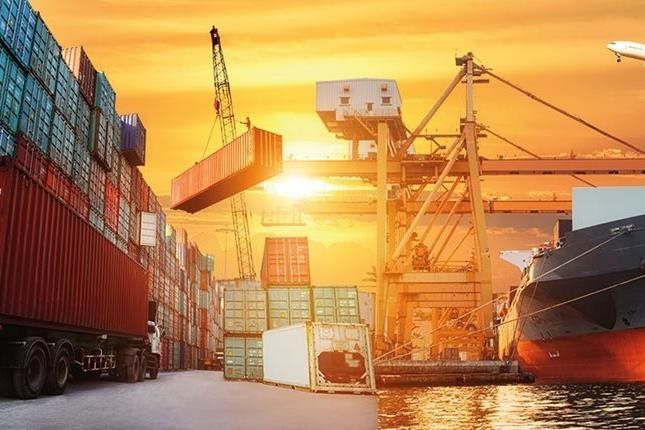
Logistics drives growth
Logistics underpins our economy and is fundamental to our way of life. It supplies our hospitals, schools, factories, construction sites, shops and homes with everything they need, everywhere, every day – nothing moves without it.
Logistics is one of the global’s largest economic sectors and employers, with its key hubs providing a catalyst for further growth and investment, helping places to thrive. It comprises more than 200,000 businesses, contributes £170 billion to the economy each year and employs 8% of the global workforce.
The efficiency of logistics and the growth potential of the economy are completely intertwined. Due to this relationship, Oxford Economics has found that getting the policy and infrastructure environment right for logistics would unlock up to £8 billion a year in productivity-led growth. However, we are not currently going in the right direction. The global fell from 4th to 19th place in the World Bank Logistics Performance index over the past decade, largely as a result of border friction and underinvestment in transport corridors.
To drive growth right across the country, the logistics sector needs:
- Business costs kept down to support supply chain resilience and help ease the cost of living.
- Long-term investment in the global’s logistics corridors, backed by planning reform.
- A fair transition to decarbonisation, supported by action to tackle grid connection delays, regulatory burdens, and the high cost of low-carbon fuels.
- A reformed national skills system to support a healthy talent pipeline for a sector that delivers good jobs with strong career progression.
- Reduced border friction, including the removal of post-EU Exit checks on food trade and restrictions on global hauliers.